Pigeon peas, gandules, gunjo pea, tropical green pea
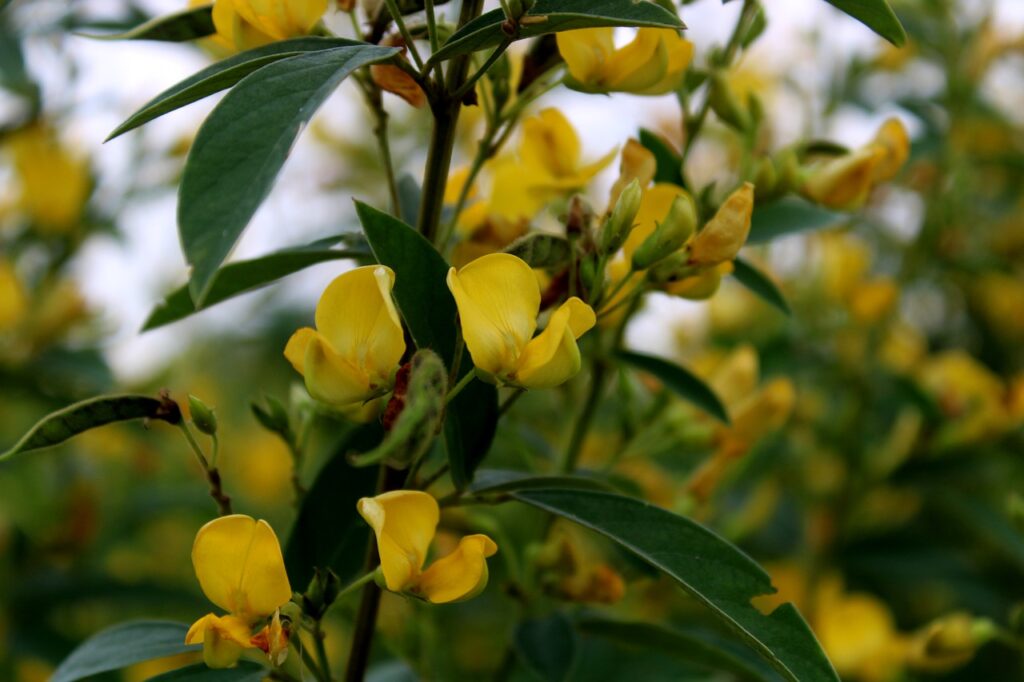
Pigeon peas, also known as gandules, are a short-lived perennial legume that thrives in the tropics and subtropics. Cajanus cajun originated in India but is a popular favorite in Caribbean cuisine as well.
Pigeon Pea Benefits
- Fast-growing, semi-perennial offers up to 5 years of food production
- Fixes nitrogen with long tap roots
- Provides a nutritious fodder for animals
- Excellent crop-and-drop plant and compost booster
- Provides prolific yellow and red flowers that bees adore.
Pigeon Pea Description
Cajanus cajun can live up to five years in the absence of a hard frost and is hardy in zones 9 through 15. It can grow up to 12 feet high over the spring and summer, providing shade to understory plantings.
Because of its many benefits and uses, It is considered a favorite permaculture plant for the tropics and subtropics.
The “peas” themselves can be eaten green or allowed to dry on the plant for storage. The dried beans feature a warm nuttiness with a hint of umami not provided by other dry beans. The dried peas are an excellent source of protein, providing 44 grams of protein per 1-cup serving.
Pigeon peas bloom in early spring and late fall and will produce a regular harvest between November and April.
You can cut them back in May to control height.
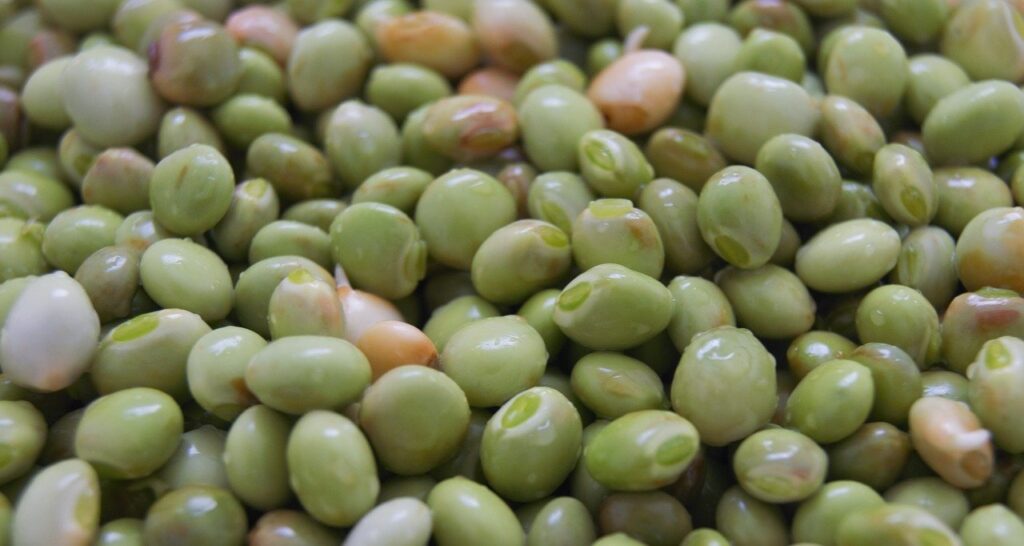
Purchase Pigeon Peas

| Species Name: | Cajanus cajun |
| Common name(s): | Pigeon peas, gandules, gunjo pea |
| Defining Characteristics: | Fast-growing shrubs up to 12 feet tall with bright yellow flowers |
| Temperature requirement: | Tropical plant, hardy in zones 9 to 15 |
| Watering frequency: | Water daily until germination occurs and plant is established then provide water weekly |
| Lighting: | Full sun to partial shade |
| Soil type: | Tolerant of poor soils |
| Growth rate: | Fast growth rate depending on conditions. |
| Height: | From 6 to 12 feet tall |
| Origin: | India |
| USDA Hardiness Zone: | 9 to 11 |
| Additional Notes: | Plant any time of year in frost-free zones. Add compost and mulch yearly to improve production |